Pond Water Parameters: The Complete Guide to Healthy Pond Water
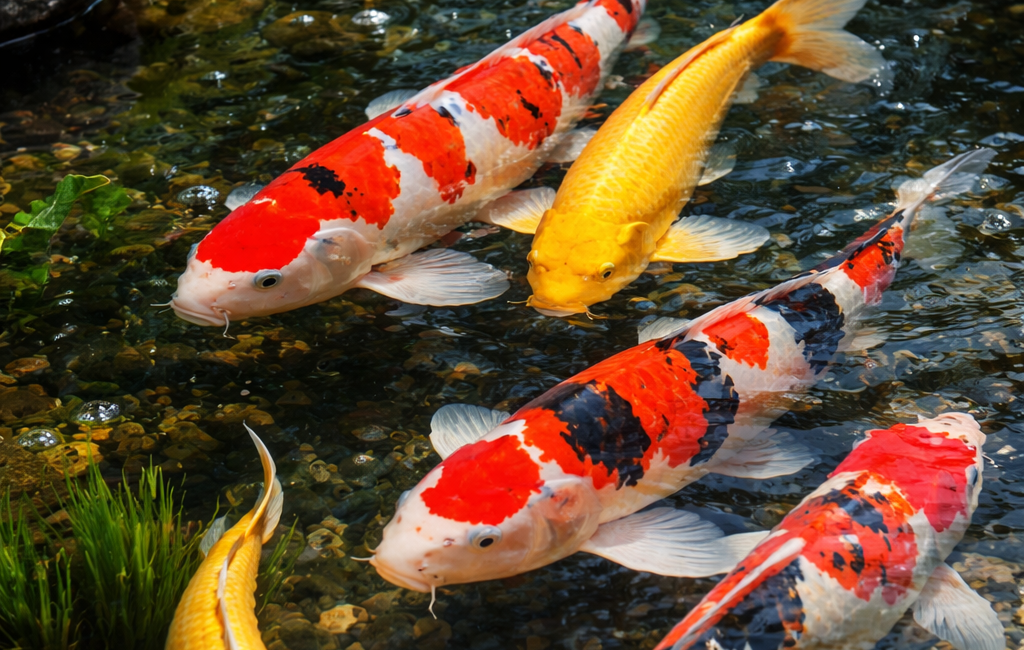
Healthy pond water is essential for keeping koi, goldfish and other pond fish thriving. While clear water may look healthy, many water quality problems are invisible, making regular water testing one of the most important aspects of pond maintenance. Understanding your pond water parameters allows you to identify issues early, maintain a healthy biological filter and provide the best environment for your fish and aquatic plants. At Birchwood Aquatic Centre, we can test your pond water, explain the results and recommend the most suitable treatments if anything is out of balance.
Why Are Pond Water Parameters Important?
Everything that happens in your pond affects the water. Fish produce waste, uneaten food breaks down, leaves decompose and your biological filter is constantly converting harmful waste into less harmful compounds.
If any part of this process becomes unbalanced, water quality can quickly deteriorate, leading to stressed fish, algae problems and poor pond health.
Regular testing helps you spot these issues before they become serious.
We recommend testing your pond water:
- Weekly during spring and summer.
- Every two to four weeks during autumn and winter.
- After adding new fish.
- Following heavy rainfall.
- During periods of hot weather.
- If your fish behave unusually.
- After cleaning your filter.
- Whenever your pond suddenly becomes cloudy or green.
Essential Pond Water Parameters
Ammonia (NH₃/NH₄⁺)
Ammonia is produced from fish waste, uneaten food and decaying organic matter. It is extremely toxic to pond fish and should always be kept at zero.
Ideal Level: 0 mg/l
High ammonia can cause:
- Fish gasping at the surface.
- Red or damaged gills.
- Lethargy.
- Loss of appetite.
- Fish deaths.
High ammonia is often caused by overfeeding, overstocking, immature biological filtration or cleaning filter media incorrectly.
Nitrite (NO₂)
Beneficial bacteria convert ammonia into nitrite as part of the nitrogen cycle. Although this is an important step, nitrite is also highly toxic.
Ideal Level: 0 mg/l
High nitrite reduces the blood’s ability to carry oxygen, causing fish to become weak, gasp near waterfalls or air stones, or stop feeding altogether.
Nitrate (NO₃)
Nitrate is the final product of the nitrogen cycle. It is much less harmful than ammonia or nitrite, but high nitrate levels can encourage algae growth and contribute to long-term stress.
Ideal Level: Below 40 mg/l
Keeping nitrate low through sensible feeding, regular maintenance and healthy aquatic plant growth will benefit both your fish and your pond.
pH
pH measures whether your pond water is acidic or alkaline.
Most pond fish, including koi and goldfish, prefer stable water rather than a specific pH value.
Recommended Range: 7.0–8.5
Sudden changes in pH are far more harmful than maintaining a consistent reading within this range.
KH (Carbonate Hardness)
KH measures your pond’s buffering capacity. It prevents sudden pH changes by neutralising acids produced naturally within the pond.
Recommended Range: 5–10 dKH
Low KH is one of the most common causes of unstable pond water and can eventually lead to a dangerous pH crash.
Heavy rainfall and frequent top-ups with soft water or rainwater can gradually reduce KH over time.
If testing shows your KH is too low, it can usually be increased using a dedicated KH buffer, bicarbonate of soda (added carefully), or a partial water change if your tap water naturally has a higher KH. Always increase KH gradually and retest your water afterwards.
GH (General Hardness)
GH measures dissolved minerals, mainly calcium and magnesium.
These minerals are important for fish health, osmoregulation and healthy plant growth.
Most UK tap water provides sufficient GH, although ponds supplied with very soft water may occasionally benefit from mineral supplementation.
Dissolved Oxygen
Oxygen is essential for fish, beneficial bacteria and the overall health of your pond.
Warm water naturally holds less oxygen than cold water, making summer the most common time for oxygen shortages.
Low oxygen levels can cause fish to:
- Gasp at the surface.
- Gather around waterfalls or returns.
- Become sluggish.
- Lose their appetite.
Adding an air pump, air stone, fountain or waterfall can greatly improve oxygen levels, particularly during hot weather.
Should You Use Rainwater or Tap Water for Pond Top-Ups?
Both rainwater and tap water can be suitable for topping up a pond, but each has advantages and considerations.
Using Tap Water
Tap water is suitable for most ponds but contains chlorine or chloramine, both of which can harm fish and the beneficial bacteria living in your biological filter.
Always use a quality pond dechlorinator whenever adding tap water.
Using Rainwater
Collected rainwater can be an excellent choice for topping up your pond because it contains no chlorine or chloramine.
For the best results:
- Collect rainwater from a clean roof.
- Store it in a covered water butt.
- Avoid collecting water from roofs with lead flashing or other potentially harmful materials.
- Prevent leaves and bird droppings from entering the water butt where possible.
However, rainwater contains very few dissolved minerals. If it makes up a large proportion of your top-ups, it can gradually lower your pond’s KH, reducing the water’s natural buffering capacity and increasing the risk of pH fluctuations.
If you regularly use rainwater, make KH testing part of your normal pond maintenance routine.
Top Tip: Installing a water butt is an excellent way to collect rainwater for topping up evaporation during the summer. It saves money, avoids chlorine and makes good use of a natural resource. Just remember to keep an eye on your KH and raise it if necessary.
Common Pond Water Problems
High Ammonia
Stop feeding temporarily, check your filtration is working correctly, increase aeration and carry out a partial water change using dechlorinated water if required.
High Nitrite
Reduce feeding, improve aeration and ensure your biological filter has not been disturbed. Continue testing daily until readings return to zero.
Unstable pH
Test your KH.
Low KH is often responsible for fluctuating pH, particularly after prolonged rainfall or repeated rainwater top-ups.
Green Water
Green water is caused by suspended algae.
UV clarifiers, healthy aquatic plants, sensible feeding and efficient filtration all help control algae growth.
Fish Gasping at the Surface
Immediately test ammonia, nitrite and oxygen levels.
Increase aeration while investigating the cause, especially during hot weather.
Bring Your Pond Water to Birchwood Aquatic Centre
If you’re unsure what your results mean, bring a fresh pond water sample into Birchwood Aquatic Centre.
We’ll explain your water parameters, identify any problems and recommend the best products to restore healthy water conditions.
For the most accurate results, collect your sample in a clean container and bring it to us as soon as possible.
Frequently Asked Questions
What are the ideal pond water parameters?
For most garden ponds:
- Ammonia: 0 mg/l
- Nitrite: 0 mg/l
- Nitrate: Below 40 mg/l
- pH: 7.0–8.5
- KH: 5–10 dKH
- GH: Moderate to hard water is generally ideal.
Can I use rainwater to top up my pond?
Yes. Rainwater is free from chlorine and can be an excellent option when collected and stored correctly. However, regular use can reduce KH, so it’s important to monitor your pond’s buffering capacity.
Can I use tap water to top up my pond?
Yes, but always use a suitable pond dechlorinator before or while adding tap water to protect your fish and filter bacteria.
How do I increase KH in my pond?
If your KH is too low, you can increase it using a dedicated KH buffer, bicarbonate of soda or, in some cases, a partial water change if your tap water has a naturally higher KH. Raise KH gradually and retest your water to avoid sudden pH changes.
Why has my pond pH dropped after heavy rain?
Heavy rainfall and repeated rainwater top-ups can gradually lower KH. Once KH becomes too low, the pond loses its ability to buffer acids, allowing the pH to fall.
How often should I test my pond water?
Weekly testing during spring and summer is recommended. You should also test after adding fish, cleaning your filter, periods of heavy rain or whenever your fish appear unwell.
Does clear pond water mean it's healthy?
No. Harmful substances such as ammonia and nitrite are invisible. The only reliable way to know your pond water is healthy is through regular water testing.
Need Help With Your Pond Water?
Whether you keep koi, goldfish or a mixed ornamental pond, understanding your pond water parameters is one of the best ways to prevent problems before they occur.
Visit Birchwood Aquatic Centre with a water sample and our experienced team will help you interpret your results and recommend the right products to keep your pond healthy all year round.