Common Fish Diseases & Treatment
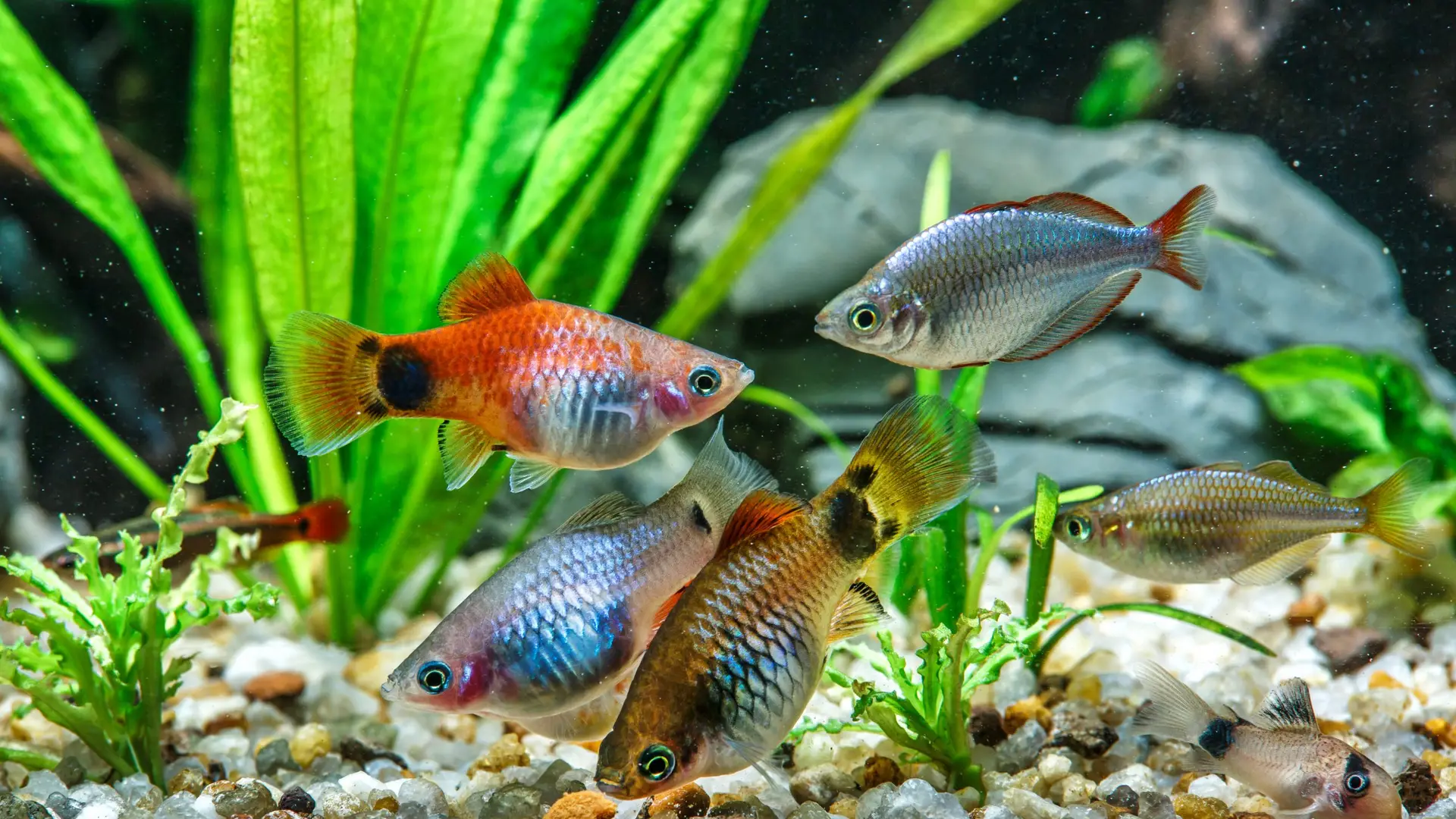
Keeping your fish healthy starts with understanding the most common diseases and how to prevent and treat them. At Birchwood Aquatic Centre, we believe that early detection, good water quality, and the right advice make all the difference. This guide covers the most effective fish disease treatment methods found in tropical, coldwater, and marine aquariums — along with practical tips for treatment and prevention.
1. White Spot (Ich / Ichthyophthirius multifiliis)
Symptoms: Small white spots on fins and body, rubbing against objects, laboured breathing, clamped fins.
Cause: A parasitic infection that spreads quickly, often introduced with new fish or plants. In many aquariums, the parasite can be present at low levels without causing visible issues — stress (such as poor water quality, temperature swings, transport, or bullying) can weaken a fish’s immune system and allow it to take hold rapidly.
Treatment:
- Raise the water temperature slightly (for tropical tanks only, never marine).
- Add an Ich treatment available in-store — follow dosage carefully.
- Treat the entire tank, not just the affected fish.
Prevention:
- Quarantine new fish for at least 7 days.
- Keep water quality stable and avoid sudden changes.
- Minimise stress from overcrowding or aggressive tank mates.
2. Fin Rot
Symptoms: Frayed or disintegrating fins, red or white edges, lethargy.
Cause: Usually bacterial infection caused by poor water conditions or stress.
Treatment:
- Improve water quality with partial water changes.
- Use an antibacterial treatment suitable for your tank type.
- Ensure fish aren’t nipping each other’s fins.
Prevention: Keep stress levels low and perform regular tank maintenance.
3. Fungal Infections
Symptoms: White, cotton-wool-like patches on the body or fins.
Cause: Opportunistic fungus attacking damaged tissue or weakened fish.
Treatment:
- Use an antifungal treatment from our aquatic care range.
- Isolate severely infected fish.
- Check for underlying causes such as injury or ammonia spikes.
Prevention: Keep water parameters stable and treat injuries promptly.
4. Velvet Disease (Oodinium)
Symptoms: Fish appear to have a fine golden or dusty coating, clamped fins, rapid breathing.
Cause: Parasitic infection often triggered by stress or sudden temperature drops.
Treatment:
- Dim or switch off lights (parasite relies on light to thrive).
- Treat with a copper-based or velvet-specific medication.
- Remove carbon from filters during treatment.
Prevention: Maintain consistent temperature and quarantine new arrivals.
5. Swim Bladder Disorder
Symptoms: Fish struggling to maintain balance, floating upside down or sinking.
Cause: Overfeeding, constipation, bacterial infection, or injury.
Treatment:
- Fast fish for 24–48 hours, then feed a peeled, cooked pea.
- Check for bacterial causes and treat accordingly.
- Review diet — avoid excessive floating pellets.
Prevention: Feed small, varied meals and avoid overfeeding.
6. Dropsy
Symptoms: Swollen abdomen, raised scales (pinecone effect), lethargy.
Cause: Bacterial infection causing fluid build-up — often secondary to organ failure.
Treatment:
- Quarantine the affected fish.
- Use antibacterial medication and maintain pristine water.
- Unfortunately, recovery is rare once swelling is severe.
Prevention: Keep stress and nitrate levels low, and feed a balanced diet.
7. Gill Flukes / Skin Flukes (Parasites)
Symptoms: Flicking or rubbing against décor, rapid breathing, thin mucus layer on gills or body.
Cause: Parasitic worms that irritate gills and skin.
Treatment:
- Use a fluke treatment suitable for tropical, coldwater, or marine setups (check the product for reef safe notes as most are not reef safe)
- Treat the entire tank to eliminate eggs and larvae.
Prevention: Quarantine new fish and maintain good filtration.
8. Ammonia Poisoning
Symptoms: Red or inflamed gills, gasping at the surface, lethargy.
Cause: Elevated ammonia levels due to new tank syndrome, overstocking, or poor filtration.
Treatment:
- Perform an immediate 25–50% water change.
- Add a water conditioner to neutralise ammonia.
- Test water daily until stable.
Prevention: Regular water testing and slow fish stocking.
How to Prevent Fish Disease
- Test your water regularly — monitor ammonia, nitrite, nitrate, and pH.
- Quarantine all new fish before adding to the main tank.
- Feed a balanced diet — overfeeding causes waste and poor water quality.
- Maintain filtration systems and perform regular water changes.
- Avoid overcrowding — give your fish enough space to thrive.
- Observe daily — early detection is the key to successful treatment.
Need Help Identifying a Problem?
Bring a clear photo or short video of your fish and a sample of tank water to Birchwood Aquatic Centre.
Our experienced aquatic specialists can help diagnose the issue, test your water for free, and recommend the right treatment and products for your tank type.
Frequently Asked Questions
How can I tell if my fish is sick?
Look for unusual behaviour such as gasping, rubbing against objects, hiding, clamped fins, loss of colour, or not eating. Small changes are often the first signs something’s wrong.
Should I treat the whole tank or just the affected fish?
Most diseases are contagious, so it’s best to treat the entire tank. However, if only one fish shows symptoms, you may wish to isolate it in a hospital tank to monitor progress. Remember early fish disease treatment is key.
Can poor water quality cause disease?
Absolutely. Poor water quality is the leading cause of fish illness. Always test water parameters before adding treatments — fixing the root cause prevents reoccurrence.
How long should I quarantine new fish?
We recommend at least 7–14 days in a separate tank to monitor for signs of disease. This simple step prevents introducing parasites or bacteria into your established aquarium.
What’s the best way to clean my tank without stressing the fish?
Perform 25–30% partial water changes weekly, gently clean gravel, and rinse filter media in old tank water (not tap water) to preserve beneficial bacteria.
Can stress really make fish ill?
Yes — stress weakens the immune system. Overcrowding, aggressive tank mates, fluctuating temperatures, and poor diet are all major contributors.
Are treatments safe for shrimp, snails, or plants?
Not always. Some medications, particularly copper-based ones, can harm invertebrates or plants. Always read labels carefully or ask our in-store team before dosing.
How soon should I see improvement after treatment?
You should see improvement within 3–5 days if treated promptly. Continue the full course even if symptoms disappear to prevent the disease from returning.
Visit Us or Get in Touch
📍 Birchwood Aquatic Centre, London Road, Swanley, Kent
📞 Call us or visit for expert fish health advice.
🐠 Healthy fish start with healthy water — we’re here to help every step of the way.