Duckweed in Ponds
(Causes, Control and Prevention)
Duckweed in ponds is a common issue, particularly from spring through summer. While duckweed isn’t harmful in small amounts, it can spread extremely quickly and cover the pond surface, blocking light, reducing oxygen levels, and spoiling the appearance of the pond.
Understanding why duckweed appears — and how to control it properly — makes it far easier to manage long term.
What Is Duckweed?
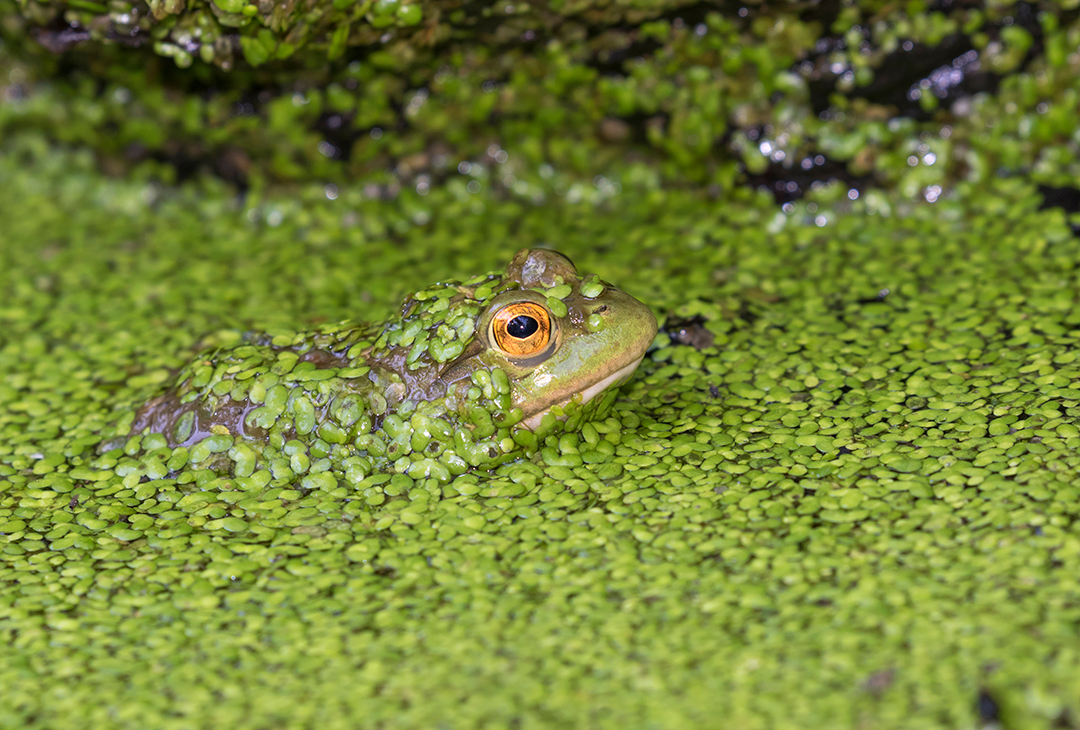
Duckweed is a tiny floating plant made up of small green leaves that sit on the surface of the water. It reproduces rapidly, often doubling in coverage within days when conditions are right.
Duckweed is frequently mistaken for algae, but unlike algae it has visible leaf structures and small rootlets hanging below the surface.
Why Duckweed Appears in Ponds
Duckweed thrives in nutrient-rich, still water. Common causes include:
Excess nutrients from fish waste and decomposing organic matter
Low surface movement or poor circulation
Sheltered ponds with little wind disturbance
Warmer temperatures and longer daylight hours
Spring is a peak time because nutrients have built up over winter and filtration systems are often just restarting.
Is Duckweed Harmful?
In small amounts, duckweed isn’t dangerous and can even provide shade. However, if left unchecked it can:
Block sunlight from reaching submerged plants
Reduce oxygen exchange at the surface
Trap debris and waste
Create poor water conditions during warm weather
Early control prevents duckweed from becoming a persistent problem.
How to Control Duckweed in a Pond
1. Manual Removal
Regularly removing duckweed with a fine net is one of the most effective control methods. Frequent removal reduces nutrients and slows regrowth.
2. Improve Water Movement
Duckweed prefers still water. Improving surface circulation using pumps, waterfalls, or returns makes it harder for duckweed to settle and spread.
3. Reduce Nutrient Levels
Remove decaying leaves and debris
Avoid overfeeding fish
Keep filters clean and functioning efficiently
Reducing nutrients tackles the root cause of duckweed growth.
4. Encourage Healthy Plant Balance
Well-established aquatic plants compete with duckweed for nutrients, helping to keep it under control naturally.
Can Barley Straw Help With Duckweed?
Barley straw is best known for helping control algae rather than floating plants like duckweed. While it may help reduce overall nutrient availability over time, it shouldn’t be relied on as a primary solution for duckweed.
Barley straw works best as part of a wider pond maintenance routine rather than as a direct duckweed treatment.
Preventing Duckweed Long Term
The best defence against duckweed is prevention:
Maintain good filtration and circulation
Remove organic waste regularly
Avoid sudden increases in feeding or fish stock
Keep nutrient levels balanced
A healthy, well-maintained pond is far less likely to suffer from excessive duckweed.
Other Common Spring Pond Problems
Duckweed is just one of several issues that can appear as ponds wake up after winter. Other common spring problems include blanketweed, green water, filter performance issues, and changes in fish behaviour.
👉 Read our full guide to common spring pond problems
Understanding how these issues are connected makes seasonal pond care much easier.
Need Help With Duckweed in Your Pond?
If duckweed is taking over your pond or keeps returning each year, the team at Birchwood Aquatic Centre can help.
We stock pond treatments, filtration equipment, nets, and water care products — and we’re always happy to offer honest, practical advice. Bring in a water sample or visit us in store for tailored help.
Frequently Asked Questions
What is duckweed?
Duckweed is a tiny floating aquatic plant that grows on the surface of ponds. Each plant consists of one or more small green leaves with a fine root hanging below the surface. It spreads rapidly by producing new plants, allowing it to cover a pond in a surprisingly short period of time.
Is duckweed harmful to ponds?
Duckweed isn’t harmful in small quantities and can even provide shade for fish during hot weather. However, if it covers most of the pond surface, it can block sunlight from reaching submerged plants, reduce oxygen exchange, and make the pond more difficult to maintain.
Why has duckweed suddenly appeared in my pond?
Duckweed is often introduced by birds, new pond plants, or even on nets and equipment used in other ponds. Once it enters a pond with plenty of nutrients and calm water, it can multiply very quickly, particularly during spring and summer.
How do I get rid of duckweed?
The best method is to remove it regularly with a fine pond net. Improving water circulation, reducing excess nutrients, and keeping the pond free from decaying leaves and debris will also help slow its growth and prevent it returning as quickly.
Can duckweed spread to other ponds?
Yes. Duckweed can easily be carried by birds, frogs, insects, pets, or even on pond maintenance equipment. Cleaning nets and equipment before using them in another pond helps reduce the risk of spreading it.
Does barley straw remove duckweed?
No. Barley straw is commonly used to help discourage algae growth, particularly blanketweed, but it does not remove duckweed. Managing duckweed relies on regular removal, reducing nutrients, and improving water movement.
Will fish eat duckweed?
Some pond fish, including grass carp, may eat duckweed, but common ornamental pond fish such as koi and goldfish generally won’t consume enough to keep it under control. Duckweed should not be relied upon as a food source or a method of controlling fish feeding.
Why does duckweed keep coming back?
Duckweed reproduces extremely quickly, and even a small amount left behind can rapidly spread again. If excess nutrients remain in the pond or the water surface is still relatively calm, duckweed will often return. Consistent maintenance is the most effective long-term solution.
Can duckweed block my pond filter?
Yes. Large amounts of duckweed can collect around pump inlets, skimmers, and filter intakes, restricting water flow and reducing the efficiency of your filtration system. Regular removal helps prevent these blockages.
How can I stop duckweed returning?
Long-term prevention involves maintaining good pond hygiene by removing organic waste, avoiding overfeeding fish, ensuring adequate water circulation, and regularly removing any new duckweed before it has a chance to spread across the pond.
When should I ask for expert advice?
If duckweed keeps returning despite regular maintenance, or you’re unsure whether you’re dealing with duckweed, blanketweed or another pond problem, visit Birchwood Aquatic Centre. We’ll be happy to identify the issue, recommend the most appropriate solution, and help keep your pond healthy throughout the year.