Tropical Aquarium Setup Guide
Your step-by-step guide to creating a healthy, beautiful tropical aquarium.
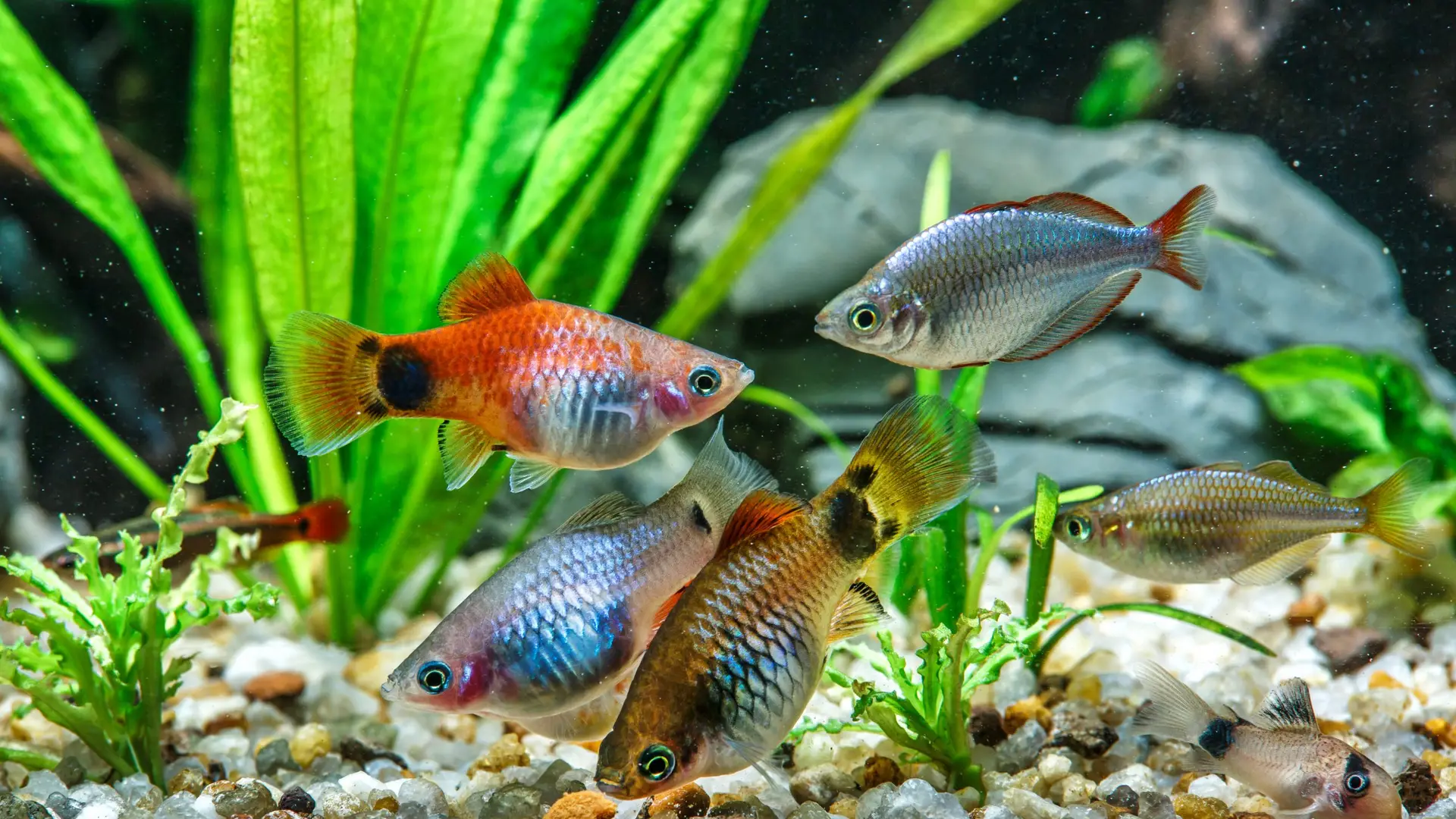
Setting up a tropical aquarium is exciting — it’s your chance to build a miniature underwater world filled with colour, life, and tranquility. At Birchwood Aquatic Centre, we’ve been helping aquarists since 1978, from complete beginners to advanced enthusiasts. Whether you’re starting your very first tank or upgrading your setup, this tropical aquarium setup guide explains everything you need to know to start a healthy tropical fish tank, from choosing equipment to adding your first fish safely.
What you will need to get started
Before adding fish, make sure you have:
- Aquarium (tank)
- Filter (keeps water clean)
- Heater (keeps water warm)
- Lighting
- Gravel or sand (substrate)
- Water conditioner
- Live bacteria starter (highly recommended)
Step 1: Choose the Right Aquarium
The size and shape of your tank make a big difference to your success.
- Bigger is better: Larger tanks (60L+) are more stable and forgiving for beginners.
- Location matters: Keep the aquarium away from direct sunlight and radiators.
- Glass or acrylic: Both work well, but glass tanks are more scratch-resistant.
💡 Top Tip: Plan your space for both the tank and its stand — remember you’ll need access to plugs and room for maintenance.
Step 2: Add Equipment and Substrate
Tropical fish need warm, filtered, and aerated water.
You’ll need:
- Heater: To maintain a steady 24–27°C depending on the fish to be added.
- Filter: To remove waste and keep water clear. Leave running 24/7.
- Lighting: For your fish and any live plants.
- Substrate: Gravel or sand depending on your fish and plants. Rinse gravel or sand before use.
⚠️ Never switch heaters or pumps on unless they are fully submerged in water, as this can permanently damage them.
💡 At Birchwood Aquatic Centre, our team can help you choose the right filter and heater for your tank size — we even stock complete starter kits ready to go.
Step 3: Decorate and Fill the Tank
Now comes the fun part! Add your decorations, plants, and rocks.
- Rinse all gravel and ornaments before use.
- Create hiding spots for shy species.
- Fill the tank slowly to avoid disturbing your layout.
- Tap water contains chlorine which is harmful to fish. Add water conditioner to remove chlorine and chloramine.
🎨 Think natural! Use a mix of live and artificial plants to create depth and texture.
Step 4: Cycle the Aquarium (The Nitrogen Cycle)
Before adding lots of fish, your aquarium needs to build up beneficial bacteria to safely break down waste — this is called the Nitrogen Cycle.
Simple explanation:
- Fish waste creates ammonia (toxic)
- Beneficial bacteria break this down
- This makes the water safer for fish
👉 No bacteria = unsafe water = stressed or dead fish.
Simple beginner method:
- Fill and heat the aquarium
- Allow the water to clear and stabilise
- Add a live bacteria starter product
- Add a small number of hardy starter fish
- Feed lightly and monitor the aquarium
Modern live bacteria products can significantly speed up the cycling process compared to traditional methods. However, the aquarium should still be stocked gradually over the following weeks.
Testing the water
We still recommend testing your water regularly for:
- Ammonia
- Nitrite
- Nitrate
As the aquarium matures:
- Ammonia and nitrite should reduce to zero
- Nitrate should remain at a safe level (generally under 40ppm)
💧 Ask in-store for our free “Cycle-Safe” leaflet and water testing demonstrations, or view our Nitrogen Cycle guide here.
💧 Ask in-store for our free “Cycle-Safe” leaflet and test kit demonstrations! Or view our Nitrogen Cycle guide here
Step 5: Introduce Your First Fish
Start slowly to avoid overloading your new filter.
- Add a few hardy species first, such as platies, or tetras.
- Float the bag in the tank for 15–20 minutes to equalise temperature.
- Gradually mix small amounts of tank water into the bag before releasing the fish.
- Wait 5-7 days before adding more.
🐠 We hand-select our fish for health and quality — ask our team for recommendations on peaceful community species.
Step 6: Ongoing Care and Maintenance
Keeping your fish happy and healthy is all about routine.
- Test your water weekly.
- Perform 20–25% water changes every 1–2 weeks. Larger water changes of up to 50% can occasionally be carried out if needed, provided replacement water is treated correctly.
- Clean filter media in old tank water (never under the tap).
- Feed small amounts gradually until the fish slow down or lose interest. This is usually less than 60 seconds.
🪴 Need help troubleshooting cloudy water or algae? Visit our team — we’re always happy to help.
Recommended Starter Fish
| Species | Temperament | Max Size | Ideal Group Size |
|---|---|---|---|
| Neon Tetra | Peaceful | 3.5cm | 6+ |
| Guppy | Peaceful | 5cm | 3+ |
| Corydoras Catfish | Bottom-dweller | 6cm | 4+ |
| Platy | Hardy | 6cm | 3+ |
| Dwarf Gourami | Calm | 8cm | 1 male + 1 female |
Common Mistakes To Avoid
Most aquarium problems come from these simple mistakes:
- Adding fish too quickly
- Not using water conditioner
- Overfeeding
- Turning filters off
- Overstocking
- Turning heaters or pumps on without water
Avoid these, and your aquarium will usually stay healthy and stable.
Frequently Asked Questions
How long should I wait before adding fish to a new aquarium?
You should wait until your tank has fully cycled — usually 2-3 days. Always test your water before adding any fish and start by introducing a small number of fish at a time.
Can I speed up the cycling process?
Yes! You can use bottled bacteria starters or live filter media from an established tank.
What temperature should my tropical aquarium be?
Most tropical fish thrive between 24°C and 27°C. Always check the needs of your specific species and use a reliable heater with a thermostat.
How often should I change my aquarium water?
Perform a 25% water change every 1–2 weeks. This helps remove nitrates and keep your fish healthy.
What’s the easiest tropical fish for beginners?
Hardy, peaceful species like platies, mollies, tetras, and Corydoras are ideal starter fish.
Do I need live plants?
No, but live plants help absorb nitrates, provide oxygen, and make your aquarium more natural and stable plus the fish like them.
My water is cloudy — what should I do?
Cloudy water is common in new tanks. Check that your filter is working, avoid overfeeding, and perform small water changes. It usually clears once bacteria colonies settle.
📍 Visit Birchwood Aquatic Centre for Expert Advice
Whether you’re cycling your first tank or setting up a full aquascape, we’ve got everything you need — from tanks and heaters to live plants and fish foods.
Visit us in-store: Birchwood Aquatic Centre, London Road, Swanley, Kent, BR8 7QD
Need help? Pop in or message us on Facebook or Instagram.
Shop in-store for tropical fish, plants, equipment and décor — all hand-selected for quality.