How to Test Aquarium Water
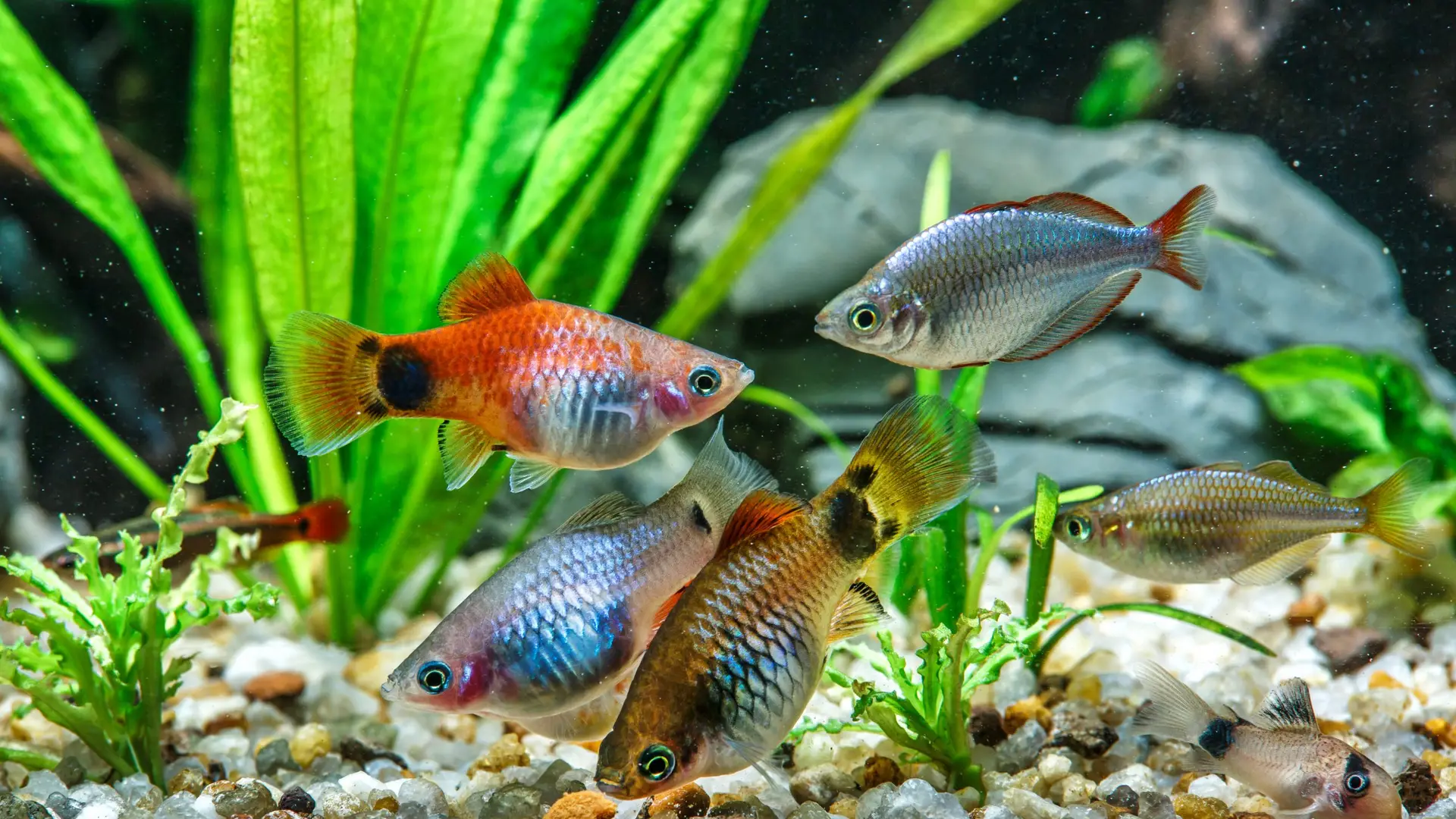
Testing your aquarium water is one of the easiest ways to keep your fish healthy. Clear water does not always mean safe water, so regular testing helps you spot problems before they affect your fish. At Birchwood Aquatic Centre, we recommend testing your water when setting up a new aquarium, after adding fish, if your fish look unwell, or as part of your regular tank maintenance routine.
Why Aquarium Water Testing Matters
Fish live in their water, so even small changes can affect their health. Poor water quality can cause stress, illness, algae problems and, in serious cases, fish loss.
Water testing helps you check whether your aquarium is safe and stable. It is especially important in new tanks, where the filter bacteria are still developing.
What Should You Test For?
The main aquarium water tests are:
Ammonia
Ammonia is highly toxic to fish. It is produced from fish waste, uneaten food and decaying plant matter. In a healthy, mature aquarium, ammonia should usually be 0 ppm.
Nitrite
Nitrite is also toxic to fish. It appears as part of the nitrogen cycle, especially in new tanks or tanks with filter problems. Nitrite should usually be 0 ppm.
Nitrate
Nitrate is the end product of the nitrogen cycle. It is less toxic than ammonia and nitrite, but high levels can still stress fish and encourage algae. Regular water changes help keep nitrate under control.
pH
pH measures how acidic or alkaline your water is. Different fish prefer different pH ranges, but stability is usually more important than chasing a perfect number.
GH and KH
GH measures general hardness, while KH measures carbonate hardness. These affect how suitable your water is for different fish and how stable your pH will be.
How to Test Aquarium Water at Home
You can test aquarium water using liquid test kits, test strips or digital meters.
Liquid test kits are often more accurate, while test strips are quick and easy for general checks.
To test your water:
- Take a water sample from your aquarium.
- Follow the instructions on your test kit carefully.
- Wait the correct amount of time before reading the result.
- Compare the result with the colour chart.
- Write down your results so you can spot changes over time.
Always check the expiry date on your test kit, as old tests may give unreliable results.
How Often Should You Test Aquarium Water?
For a new aquarium, test regularly while the tank is cycling. This helps you monitor ammonia, nitrite and nitrate as the filter bacteria develop.
For an established aquarium, we recommend testing at least every couple of weeks, or weekly if you are having problems.
You should also test your water:
- Before adding new fish
- After adding several fish
- If fish are gasping, hiding, clamped, flicking or behaving unusually
- After a filter problem or power cut
- If the water looks cloudy
- Before using medication
- If you have algae problems
What Are Safe Aquarium Water Levels?
As a general guide:
- Ammonia: 0 ppm
- Nitrite: 0 ppm
- Nitrate: As low as possible
- pH: Depends on the fish species
- GH/KH: Depends on the fish species and local water
Different fish have different needs. Tropical community fish, goldfish, pond fish, cichlids and marine fish may all need different water conditions.
If you are unsure, bring a water sample into Birchwood Aquatic Centre and we can help you understand your results.
What to Do if Your Water Test Is Bad
If ammonia or nitrite is present, act quickly. These are harmful to fish.
You may need to:
- Carry out a partial water change
- Check your filter is working properly
- Reduce feeding temporarily
- Remove uneaten food or dead plant matter
- Avoid adding more fish
- Use a suitable water conditioner
- Add filter bacteria if needed
Do not clean your filter media under tap water, as chlorine can damage the beneficial bacteria. Instead, rinse filter media gently in old aquarium water during a water change.
Can We Test Your Aquarium Water?
Yes. If you are unsure about your water quality, bring a sample into Birchwood Aquatic Centre and we can test it for you.
For best results, bring a fresh sample in a clean container and let us know:
- How long the tank has been running
- What fish you keep
- When you last did a water change
- Whether you have recently added fish
- Any problems you have noticed
This helps us give better advice for your aquarium.
Frequently Asked Questions
How do I know if my aquarium water is safe?
The best way is to test it. Clear water can still contain ammonia, nitrite or high nitrate, so visual checks alone are not enough.
How often should I test a new fish tank?
Test regularly while the tank is cycling, especially for ammonia, nitrite and nitrate. New tanks are more likely to have unstable water.
What should ammonia be in a fish tank?
Ammonia should be 0 ppm. Any detectable ammonia can be harmful and should be dealt with quickly.
What should nitrite be in an aquarium?
Nitrite should be 0 ppm. If nitrite is present, avoid adding more fish and seek advice.
Is nitrate dangerous to fish?
Nitrate is less dangerous than ammonia or nitrite, but high levels can still cause stress and health problems over time.
Are test strips accurate?
Test strips are useful for quick checks, but liquid test kits are often more reliable for detailed testing.
Can I bring water into the shop for testing?
Yes. Bring a fresh water sample into Birchwood Aquatic Centre and we can help test and explain your results.
Need Help With Your Aquarium Water?
If your fish are unwell, your tank is cloudy, or your test results do not look right, visit Birchwood Aquatic Centre for advice. Our team can help you understand your water results and choose the right next step for your aquarium.