Common Spring Pond Problems
(and How to Fix Them)
Common spring pond problems often appear as ponds wake up after winter, with rising temperatures and longer daylight hours affecting water quality, fish behaviour, and plant growth.
Spring is when ponds truly come back to life. As water temperatures rise and daylight increases, fish become more active, plants begin to grow, and filtration systems return to full use. However, this seasonal shift can also bring a few common pond problems — especially after winter dormancy.
The good news? Most spring pond issues are completely normal and easy to resolve with the right approach. Below we cover the most common problems pond owners face in spring, why they happen, and what you can do to fix them.
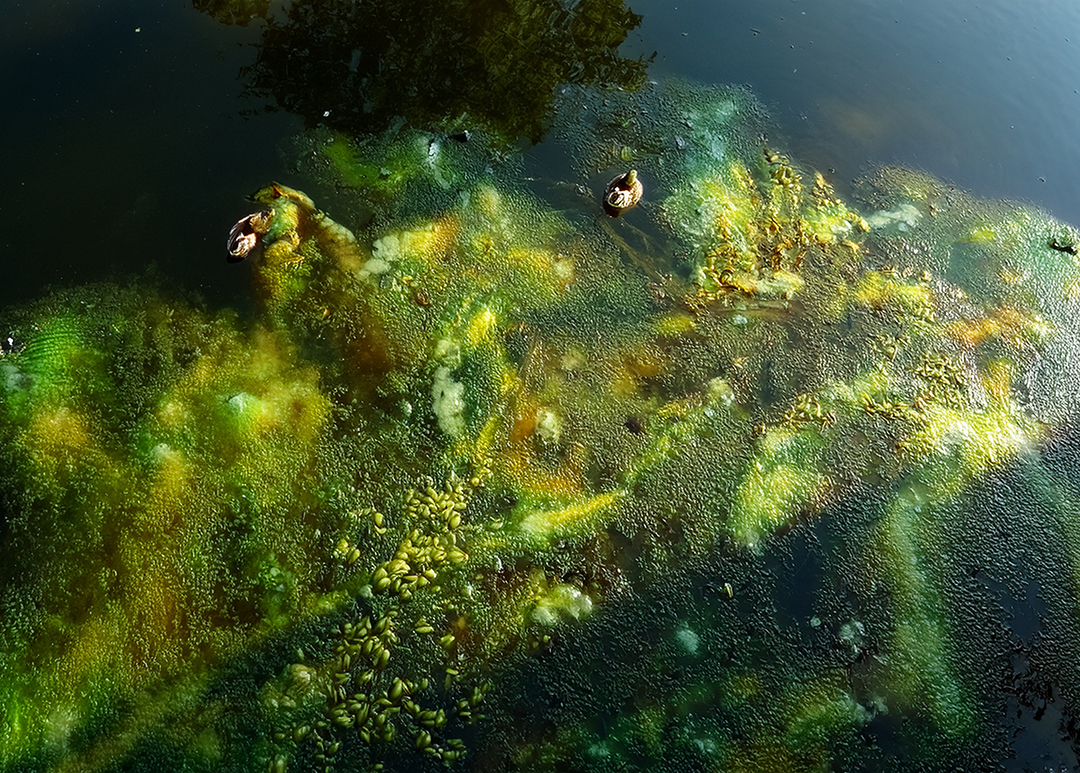
Blanketweed & String Algae
What you might notice:
Long green strands clinging to plants, rocks, waterfalls, or floating just under the surface.
Why it happens in spring:
During winter, pond plants slow down or die back, while nutrients from fish waste and decaying debris build up. As sunlight increases in spring, algae can take advantage before plants catch up.
What helps:
Manually remove as much blanketweed as possible using a net or brush
Reduce excess nutrients by clearing debris and sludge
Check filtration is running efficiently
Use a blanketweed treatment or UV system if required
A small amount of algae is normal, but controlling it early prevents bigger problems later in the season.
Barley straw can also be a useful preventative tool. As it breaks down slowly in the pond, it releases natural compounds that help inhibit algae growth. Barley straw works best when:
Used early in the season
Placed in areas with good water flow
Combined with good filtration and regular maintenance
It’s not an instant fix, but it can be very effective as part of a long-term algae control strategy.
Green or Cloudy Pond Water
What you might notice:
Water that looks green, hazy, or murky rather than clear.
Common spring causes:
Microscopic algae blooms triggered by sunlight
Organic waste breaking down after winter
Filtration not yet fully established
What helps:
Test your pond water to identify nutrient or pH issues
Ensure your filter and pump are clean and correctly sized
Avoid overfeeding fish during early spring
Consider a green water treatment or UV clarifier if clarity doesn’t improve
Green water often clears naturally as plants and beneficial bacteria become established.
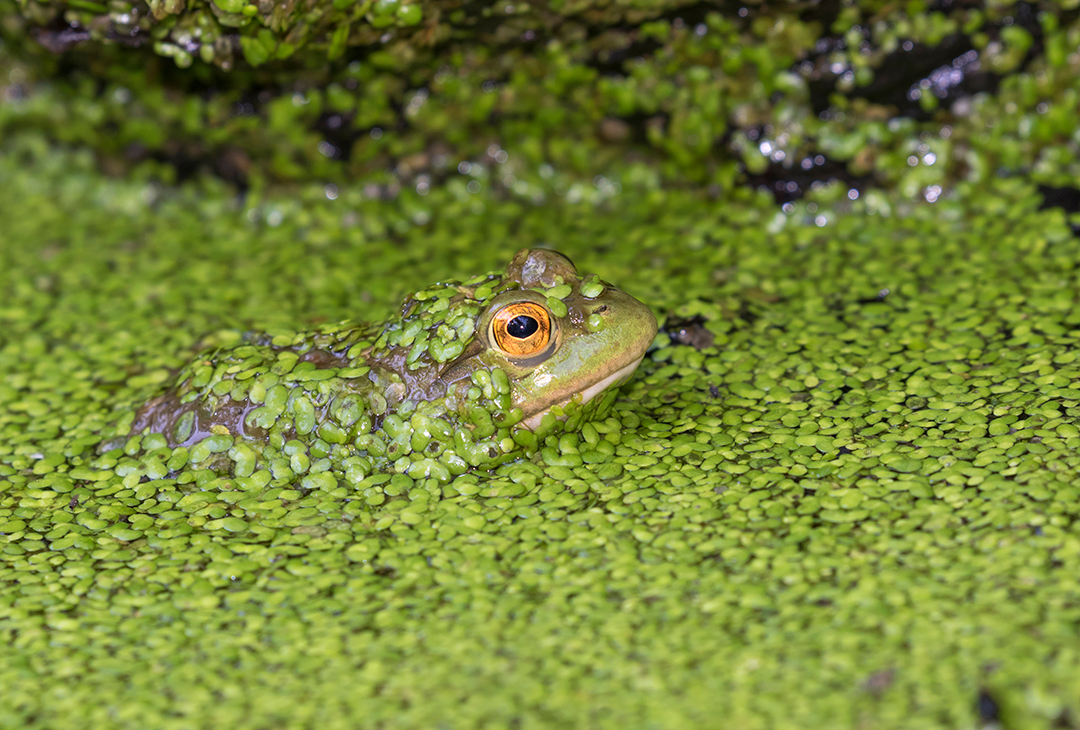
Duckweed & Floating Pond Plants
What you might notice:
A layer of tiny green floating leaves quickly spreading across the pond surface, sometimes covering large areas in a short space of time.
Why duckweed appears in spring:
Duckweed thrives in nutrient-rich water with low surface movement. After winter, ponds often contain excess nutrients from decomposing leaves and waste, creating perfect conditions for duckweed to multiply as soon as temperatures rise.
What helps:
Remove duckweed manually using a fine net (regular removal makes a big difference)
Improve water circulation — duckweed prefers still water
Reduce nutrient levels by clearing debris and avoiding overfeeding
Encourage healthy plant growth to compete for nutrients
Duckweed isn’t harmful in small amounts, but if left unchecked it can block light and reduce oxygen levels, so early control is best.
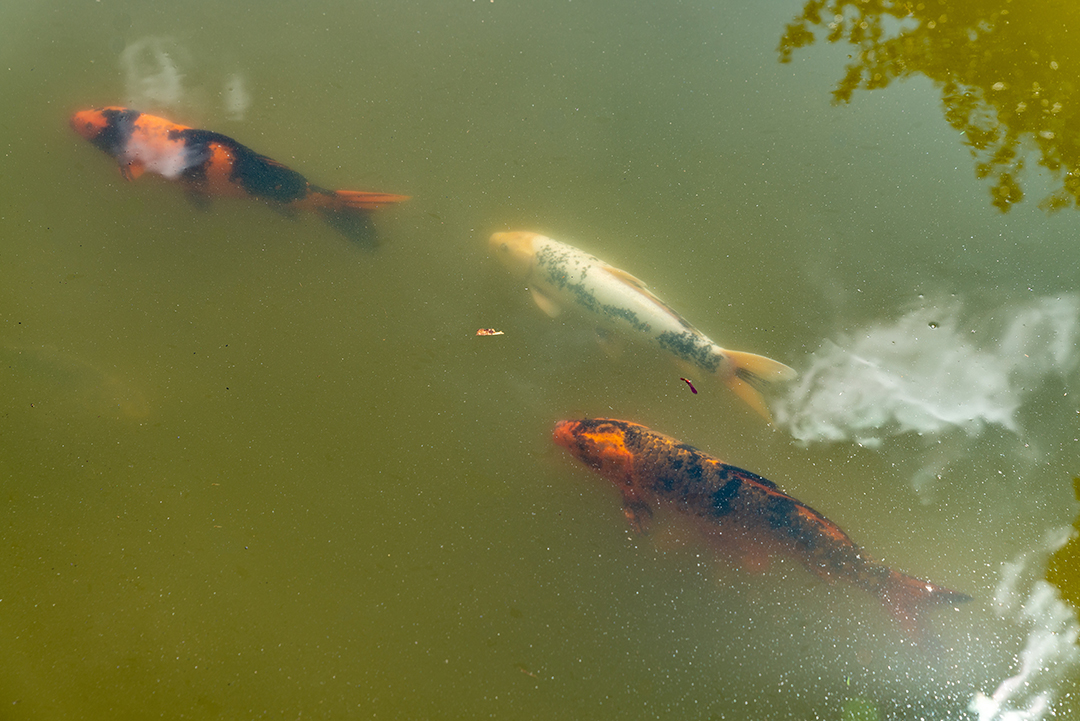
Fish Acting Sluggish or Hiding
What you might notice:
Fish staying near the bottom, hiding, or showing little interest in food.
Why this is common in spring:
Fish metabolisms are still adjusting to fluctuating temperatures. Cold nights combined with warmer days can cause stress, especially if water quality isn’t ideal.
What helps:
Avoid feeding until water temperatures are consistently above 10°C
Test water for ammonia and nitrite, especially after winter
Improve oxygen levels with good water movement
Avoid adding new fish until the pond is stable
Slow behaviour early in spring is normal — it usually improves as conditions settle.
Surface Scum, Foam or Floating Debris
What you might notice:
A thin film on the water surface or light foam around waterfalls and returns.
Why it appears:
Proteins released from decaying organic matter, fish waste, and early feeding can collect at the surface, especially if circulation is low.
What helps:
Remove dead leaves and plant matter
Improve surface movement and aeration
Reduce feeding temporarily
Check pumps are correctly positioned
Surface issues are usually short-lived once the pond is properly cleaned and flowing again.
Filters or Pumps Not Performing Properly
What you might notice:
Reduced water flow, noisy pumps, or filters overflowing.
Why it happens:
Over winter, sludge, leaves, and debris can settle inside pumps and filter media. When systems are restarted, blockages quickly become apparent.
What helps:
Thoroughly clean pumps, impellers, hoses, and filter media
Check seals, pipework, and electrical connections
Restart filtration gradually to avoid shocking beneficial bacteria
Spring is the ideal time to service equipment before fish activity increases.
A Simple Spring Pond Care Checklist
Before the season gets into full swing:
Remove leaves, sludge, and dead plant matter
Clean and restart filtration systems
Test pond water parameters
Resume feeding slowly and only when temperatures allow
Add beneficial bacteria to support filtration
These simple steps make a huge difference to pond health throughout the year.
Need Help Getting Your Pond Ready?
Spring pond problems are normal — but with the right advice and products, they’re easy to manage.
At Birchwood Aquatic Centre, we stock a full range of pond fish, filters, treatments, pumps, and accessories, and our experienced team is always happy to offer honest, practical advice.
If you’re unsure what your pond needs this spring, bring in a water sample or pop in for a chat — we’re here to help you enjoy a healthy, clear pond all season long.
Frequently Asked Questions
Why do ponds have more problems in spring?
After winter, ponds naturally go through a period of adjustment. As temperatures rise, fish become more active, plants begin growing again, and beneficial bacteria need time to re-establish. This temporary imbalance can lead to issues such as green water, blanketweed, duckweed, and poor water quality.
Why has my pond suddenly turned green?
Green pond water is usually caused by microscopic algae multiplying as daylight increases. This is especially common in spring when nutrients have built up over winter. Improving filtration, reducing excess nutrients, and using a correctly sized UV clarifier can help restore clear water.
What causes blanketweed in a pond?
Blanketweed thrives when there is plenty of sunlight and excess nutrients in the water. Fish waste, decaying leaves, and uneaten food all provide nutrients that algae can use. Removing debris, maintaining good filtration, and controlling nutrient levels are the best long-term solutions.
Is duckweed harmful to my pond?
A small amount of duckweed isn’t usually a problem and can even provide shade for fish. However, if it spreads across most of the pond surface, it can reduce light for aquatic plants and limit oxygen exchange. Regular removal and good pond maintenance will help keep it under control.
Should I clean my pond filter in spring?
Yes, but it should be done carefully. Remove debris and clean filter sponges or media using pond water rather than tap water, as tap water can kill the beneficial bacteria that help keep your pond healthy. Avoid cleaning all of the filter media at the same time.
When should I start feeding my pond fish after winter?
Most pond fish become active once the water temperature is consistently above 10°C. At this point, begin feeding small amounts of an easily digestible spring or wheatgerm food and only feed what the fish will consume within a few minutes.
Does barley straw get rid of blanketweed?
Barley straw is best used as a preventative measure rather than an instant cure. As it slowly decomposes, it releases natural compounds that can help discourage algae growth. It works best when added early in the season and used alongside good pond maintenance.
How often should I test my pond water?
Testing your pond water every few weeks during spring and summer is a good habit, especially if you’ve recently restarted your filtration, added new fish, or noticed changes in water clarity. Regular testing helps identify problems before they affect your fish.
Can I use tap water to top up my pond?
Yes, but it should always be treated with a suitable dechlorinator before adding it to the pond. Chlorine and chloramine in tap water can harm fish and the beneficial bacteria that support your filtration system.
When should I ask for expert advice?
If your pond remains green, blanketweed keeps returning, your fish appear unwell, or your filter isn’t keeping up despite regular maintenance, it’s worth getting expert advice. At Birchwood Aquatic Centre, we’re always happy to help diagnose pond problems and recommend the most appropriate solution for your individual setup.