Choosing the Right Aquarium Filter and Pump
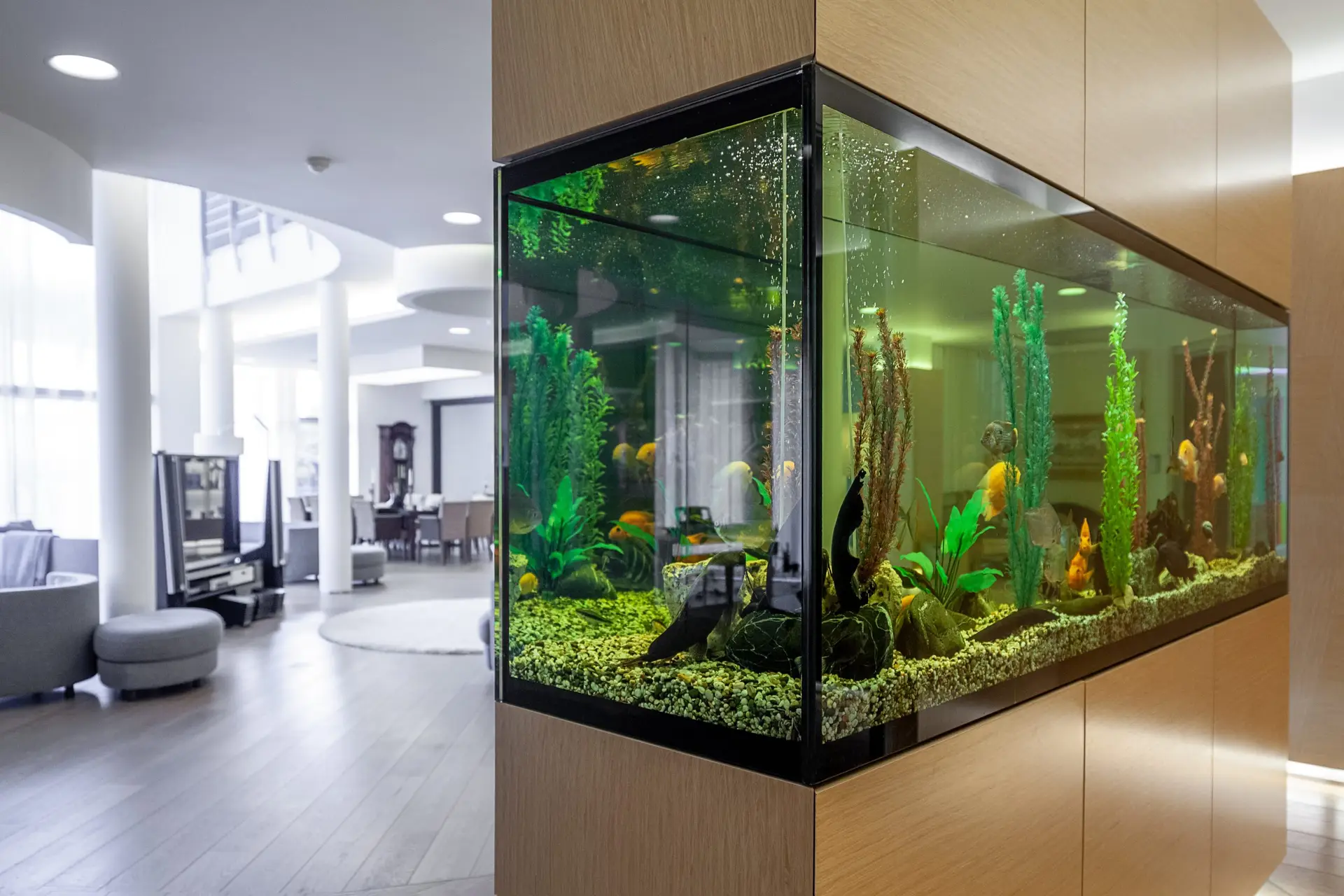
A healthy aquarium or pond starts with the right aquarium filter and pump. Get these two choices right and water stays clear, fish thrive, and maintenance becomes easy. On this page you’ll learn how filtration works, how to size equipment for your setup, and which options suit tropical, planted, goldfish, cichlid, marine and pond systems.
Why Filtration Matters
Filtration removes visible debris, breaks down fish waste, and stabilises water chemistry. The best systems combine:
- Mechanical filtration – traps particles (wool/pads/sponges).
- Biological filtration – beneficial bacteria convert toxic ammonia → nitrite → nitrate (ceramic media, sintered glass, moving bed).
- Chemical filtration (optional) – polishes water or removes specific contaminants (activated carbon, phosphate removers, resins).
Pro tip: Arrange media coarse → fine → biological → chemical so you don’t clog your bio-media with muck.
Filter Types (Pros & Ideal Uses)
- Internal sponge filters
Quiet, air-powered, shrimp-safe; brilliant for fry, shrimp and nano tanks. Low running cost. - Hang-on-Back (HOB)
Easy access, great for tanks up to ~120 L. Add extra bio-media for stability. - External canister filters
High capacity, silent under the cabinet, superb for 120–500 L+ freshwater and many marine fish-only systems. - Sump filtration (under-tank)
Maximum water volume & flexibility (heaters, skimmer, refugium hidden away). Standard on marine reefs and large freshwater displays. - Moving-bed / fluidised filters
Exceptional biological capacity; common in sumps and ponds. - Under-gravel
Old-school, low visual impact but limited for modern stocking; avoid for planted tanks and messy fish.
Pumps: Flow, Head Height & Turnover
Your pump must deliver enough water after it’s pushed up to the tank/ pond and through pipework.
- Turnover = how many times per hour the system’s total volume passes the filter/ return.
- Head height = vertical lift from pump to outlet. More head = less actual flow.
- Friction losses = bends, valves, narrow hose reduce flow. Use bigger-bore hose where possible.
Recommended Turnover Guidelines
- Planted freshwater: 3–5× per hour (gentle, even flow)
- Community freshwater: 4–6×
- Goldfish / messy eaters: 6–8×
- Cichlids: 6–10×
- Marine fish-only: 6–8× return (plus internal circulation)
- Marine reef: 8–12× return (and 20–40× total in-tank flow using wavemakers)
- Ponds: ≈1× pond volume per hour (more if heavy stock, waterfalls, or long pipe runs)
Quick Sizing Examples (done for you)
- 200 L Tropical Community, canister filter
Target turnover: 5× → 1,000 L/h.
Allow ~20% for head/ friction → choose ~1,200 L/h canister. - 450 L Reef with sump, 1.5 m head
Target return: 10× → 4,500 L/h at the tank.
Many DC pumps rated 6,000 L/h deliver ~4,500 L/h at 1.5 m, so select a 6,000 L/h DC pump and fine-tune. - 5,000 L Garden Pond, UV + waterfall, ~1 m lift
Target turnover: 1× → 5,000 L/h at outlet.
Add safety margin for head/ filters → select ~8,000 L/h pond pump (variable-speed if possible).
Matching Filtration to Your Setup
Tropical & Community
- Best: Canister (120 L+) or HOB (≤120 L).
- Notes: Add pre-filter sponge on intakes to protect shrimp/ fry and extend service intervals.
Planted Aquaria
- Best: Canister with large bio-capacity; lily pipes for gentle circulation.
- Notes: Moderate flow to avoid CO₂ loss; polish water with fine pads or Purigen/ Carbon if needed.
Goldfish & Cichlids
- Best: Oversized canister or sump; moving-bed bio for waste-heavy systems.
- Notes: Aim the higher end of turnover; clean mechanical pads more often.
Marine Fish-Only
- Best: Sump with skimmer + canister/ reactors if required.
- Notes: Keep return turnover 6–8×; use wavemakers for in-tank movement.
Marine Reef
- Best: Sump with protein skimmer, roller mat (optional), filter sock, refugium or media reactors (phosphate, carbon).
- Notes: Return 8–12×; total flow 20–40× via wavemakers for coral health.
Ponds
- Best: Solids-handling pump → UV clarifier → pressure/bead or multichamber filter → waterfall/ return.
- Notes: Choose energy-efficient, continuous-duty pumps; winter bypass to protect equipment.
Energy, Noise & Reliability
- Energy use: Look for high L/h per watt. DC pumps offer speed control and savings.
- Noise: Rubber feet, silicone hose, and a level surface reduce vibration. Keep canister hoses short and straight.
- Reliability: Buy trusted brands, keep a spare impeller or air pump diaphragm for critical systems.
Maintenance Schedule (simple & sustainable)
- Weekly/fortnightly: Rinse coarse & fine pads in tank/ pond water (never tap water). Check flow. Wipe intake grills.
- Monthly/bi-monthly: Inspect impellers.
- Quarterly: Deep-clean hoses/ pipework, service skimmers and UV (wipe quartz).
- Annually: Replace UV lamp, review media condition, replace per manufacturer guidance.
Never fully clean all media at once; keep bacteria alive by staggering cleans.
Common Problems & Fixes
- Flow has dropped: Pads clogged—rinse; check kinks and head height; clean/ descale impeller
- Cloudy water: Increase mechanical filtration, reduce overfeeding, consider water-polishing media. Test water.
- Microbubbles (marine): Adjust skimmer water level, add bubble trap/sponges in sump, slow return pump slightly.
- Green pond water: Confirm UV size and lamp age; ensure correct flow rate through UV (not too fast).
Frequently Asked Questions
Do I need chemical media all the time?
Not always. Use purigen/ crystal after medications or to polish water; phosphate removers if algae nutrients are high.
Can I over-filter?
Extra biological capacity is great; just avoid blasting livestock with excessive current—diffuse the output.
What hose size should I use?
Bigger bore means less friction and more real-world flow. Match the pump outlet or use stepped fittings.
Where should returns point?
Create a gentle circular flow. In reefs, avoid direct jets on corals; in planted tanks, aim for even CO₂ distribution.
Ready-Matched Kits & Expert Setup (In-Store Help)
Bring your tank/ pond size, livestock list, and cabinet/ sump measurements. We’ll:
- Recommend a right-sized filter & pump (with head-loss allowance).
- Build a media pack (mechanical/ biological/ chemical) with a clear service schedule.
- For ponds, size the UV + filter + pump as a matched system and cut hose to length.
Quick Buyer’s Checklist
Tank/pond volume (litres) and head height (metres)
Desired turnover (×/hour)
Hose/ pipe diameter and run length
Noise and energy priorities
Spare media, pads and impeller on hand
Want it sorted in one visit? Pop in to Birchwood Aquatic Centre (Swanley) or call us for a custom recommendation. We’ll size your filtration and pump correctly the first time, fit the right media, and show you exactly how to maintain it—with no guesswork.