Aquarium Fish Feeding Guide
How to Keep Your Fish Healthy and Happy Through Proper Feeding
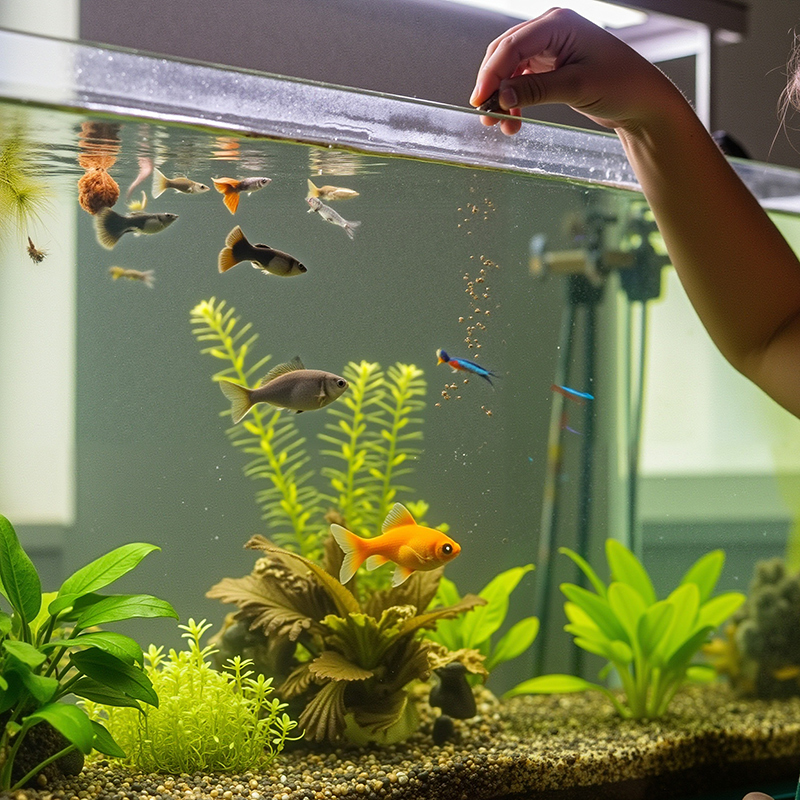
Feeding your aquarium fish might seem simple — just sprinkle some flakes, right? But what, when, and how much you feed makes a huge difference to your fish’s health, water quality, and long-term happiness. Overfeeding is one of the most common causes of poor water quality, cloudy tanks, and even fish illness. At Birchwood Aquatic Centre, we help new and experienced fishkeepers choose the right foods and feeding routines for their species — whether you keep tropical, marine, or coldwater fish.
How Often Should You Feed Aquarium Fish?
Most fish should be fed once or twice daily — but only as much as they can eat in 1–2 minutes.
Overfeeding can quickly lead to leftover food decomposing, spiking ammonia and nitrite levels, and causing cloudy water.
General guidelines:
- Tropical fish: 1–2 small feeds daily.
- Goldfish and coldwater species: Once or twice daily — avoid large meals as they produce more waste.
- Bottom-feeders (catfish, loaches, plecs): Feed sinking pellets or wafers in the evening when they’re most active.
- Marine fish and corals: Small, frequent feeds 1–3 times daily with a mix of frozen and live foods.
💡 Tip: It’s better to feed less, more often, than one large meal.
Types of Fish Food
The best diet is varied! Mixing food types ensures all fish receive the right balance of protein, fibre, vitamins, and colour enhancers.
| Food Type | Best For | Benefits |
|---|---|---|
| Flake Food | Most small tropical or community fish | Convenient, balanced nutrients |
| Pellets | Medium–large fish | Less waste, easy portion control, good control of dietary requirements |
| Sinking Wafers/ Tablets | Bottom-feeders | Ensure food reaches lower levels |
| Frozen Foods (bloodworm, brine shrimp, mysis) | Tropical & marine fish | High protein, enhances colour & activity |
| Live Foods | Predatory or finicky eaters | Stimulates natural feeding behaviour |
| Vegetable/ Spirulina Foods | Herbivorous species & algae eaters | Supports digestion & immune health |
| Coral & Reef Foods | Marine setups | Essential nutrients for coral growth & colour |
How Much Should You Feed?
A simple rule:
👉 Only feed what your fish will eat within 1–2 minutes. Some species may take longer to eat so it’s worth checking for your particular species.
Generally, If you see leftover food sinking to the bottom, you’re feeding too much. Uneaten food breaks down and releases harmful ammonia, stressing fish and damaging your filter bacteria.
Try this:
- Watch your fish eat.
- Stop feeding once they lose interest or food starts drifting away.
- Adjust the amount next time to feed less.
Feeding Tips for a Healthy Aquarium
✅ Vary the diet – mix flakes, frozen, and vegetable foods.
✅ Use feeding rings or floating feeders to keep food off the filter intake.
✅ Feed at consistent times to build routine.
✅ Remove uneaten food after 5 minutes.
✅ For holidays, use an automatic feeder or vacation food block.
✅ Fast your fish one day a week to reduce waste and improve digestion.
Species-Specific Advice
- Tetras & Guppies: Tiny mouths – use crushed flakes or micro pellets.
- Cichlids: Prefer pellets and occasional frozen foods; avoid fatty meats.
- Plecos: Need algae wafers, cucumber, or courgette slices at night.
- Goldfish: Use slow-sinking pellets to prevent air gulping and buoyancy issues.
- Marine Fish: Offer a mix of frozen mysis, brine shrimp, and marine flakes or pellets.
Avoid These Common Feeding Mistakes
❌ Overfeeding — the #1 cause of poor water quality.
❌ Using human food or bread — causes bloating and fouls the water.
❌ Ignoring dietary needs — some species are herbivores, others carnivores.
❌ Cleaning filters right after feeding — wait at least an hour to avoid clogging.
Frequently Asked Questions
How can I tell if I’m overfeeding my fish?
If there’s leftover food after 2 minutes or your water becomes cloudy, you’re likely overfeeding.
Can I feed my fish vegetables?
Yes! Blanched peas, spinach, or courgette are great for many species — especially algae eaters.
Should I feed at night?
Only nocturnal fish like plecos and catfish need night-time feeding. Most community fish should eat during daylight hours.
What should I do if I’m away for a few days?
Use an automatic feeder or holiday food block. For longer trips, we can help you plan a feeding schedule in-store.
Is live food safe?
Buy from a reputable aquatic shop (like Birchwood Aquatic Centre) to avoid introducing disease.
Visit Us for Personalised Feeding Advice
Every aquarium is unique — from the fish species to the size of your tank and filter setup.
For tailored feeding guidance and top-quality foods, visit Birchwood Aquatic Centre in Swanley, Kent.
For the best one-to-one help, pop in during weekdays — weekends are extremely busy in store.