How to Make Aquarium Wood Sink
Expert advice from your local aquatic specialists in Kent
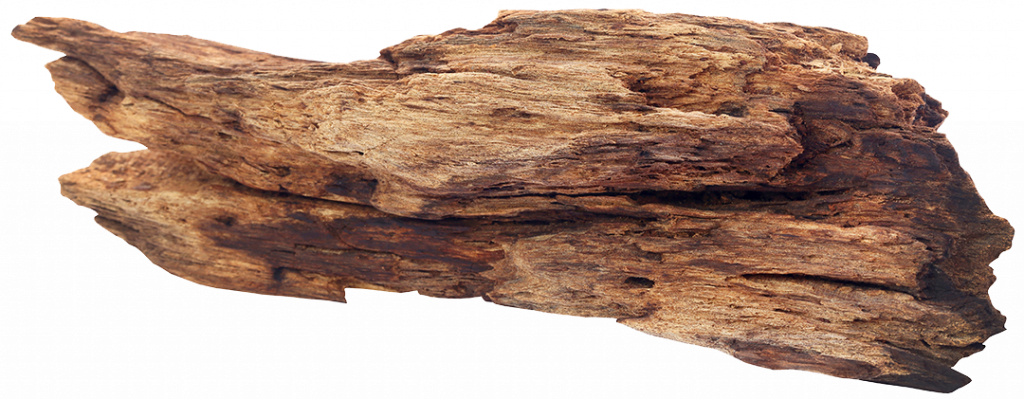
How to make aquarium wood sink is one of the most common questions we’re asked by fishkeepers setting up a new aquarium — and if your wood is floating, don’t worry. This is completely normal.
At Birchwood Aquatic Centre in Swanley, we help customers from across Kent choose, prepare, and position aquarium wood safely. Below, we explain why aquarium wood floats, how to make it sink properly, and what to avoid.
Why does aquarium wood float?
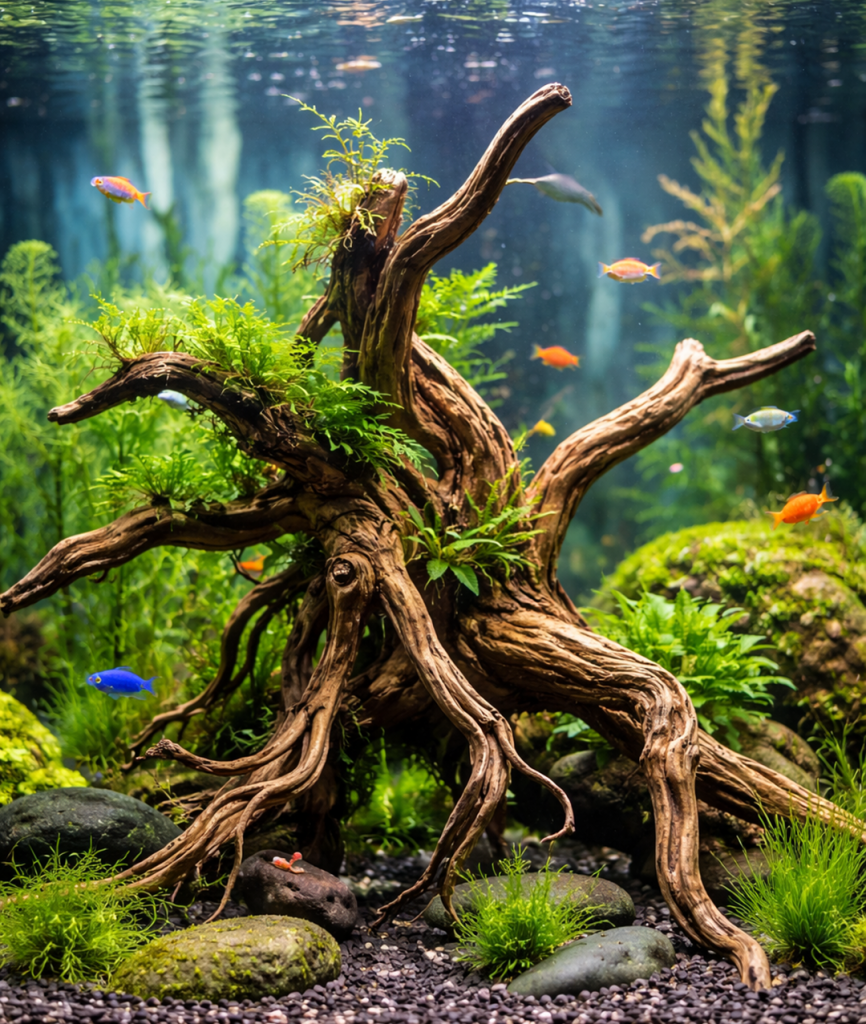
Most aquarium wood — including bogwood, driftwood, mopani, and spiderwood — floats at first because air is trapped inside its natural fibres.
Until that air is slowly replaced by water:
-
the wood will rise to the surface
-
it may move or shift
-
it can lift gravel or décor
This doesn’t mean the wood is faulty or unsafe — even premium, hand-selected pieces behave this way initially.
Safe ways to make aquarium wood sink
1️⃣ Soak the wood (best and safest method)
Soaking allows the wood to naturally become waterlogged over time.
How to do it:
-
Fully submerge the wood in a bucket, storage box, or spare tank
-
Use tap water and change it every few days
-
Weigh it down if needed
Typical soaking times:
-
Mopani wood: 3–7 days
-
Bogwood: 1–3 weeks
-
Spider / root wood: 2–6 weeks
The water may turn brown — this is caused by tannins and is completely normal.
2️⃣ Weigh the wood down inside the aquarium
If you want to scape your tank straight away:
-
place rocks or slate on the wood
-
partially bury it under substrate
-
use aquarium-safe décor to hold it in position
Over time, the wood will sink naturally and the weights can often be removed.
3️⃣ Fix the wood to slate (permanent solution)
For aquascaping or planted tanks:
-
attach the wood to a slate base using aquarium-safe silicone
-
allow it to fully cure before adding to the tank
This keeps layouts stable and prevents movement long-term.
4️⃣ Boiling aquarium wood (only if suitable)
Boiling smaller pieces can:
-
speed up waterlogging
-
reduce tannins
-
kill surface bacteria
However, large pieces may not fit in a pot and some woods can crack. If unsure, soaking is the safer option.
What not to do ❌
Avoid these common mistakes:
❌ Using screws, nails, or metal weights
❌ Adding chemicals or detergents
❌ Forcing wood under gravel without proper support
Metal can rust and chemicals can harm fish — always use aquarium-safe methods.
Is floating wood dangerous for fish?
Floating wood itself isn’t harmful, but unsecured pieces can:
-
shift suddenly
-
trap fish
-
knock heaters, filters, or glass
That’s why it’s important to secure wood properly before adding livestock.
Tannins: problem or benefit?
Tannins released from aquarium wood:
-
tint the water slightly brown
-
may gently lower pH
-
are beneficial for many tropical fish
Species such as tetras, rasboras, angelfish, plecos, and bettas often thrive in tannin-rich water.
If you prefer clearer water:
-
soak the wood for longer
-
use activated carbon
-
carry out regular water changes
-
Why you shouldn’t use found wood in an aquarium
It can be tempting to use driftwood or wood collected from nature, but this is one of the most common causes of unexplained fish losses.
Natural wood can:
release harmful substances into the water
alter water chemistry unpredictably
introduce disease or parasites
decay rapidly once submerged
Aquarium-safe wood is chosen specifically because it’s non-toxic, stable, and suitable for long-term submersion.
If you’re unsure whether a piece of wood is safe, don’t risk it — ask before adding it to your tank.
Frequently Asked Questions
How long does aquarium wood take to sink?
It depends on the type:
-
Mopani: a few days
-
Bogwood: 1–3 weeks
-
Spider / root wood: 2–6 weeks
Floating at first is completely normal.
Can I put floating wood straight into my tank?
Yes, as long as it’s securely weighted or anchored so it can’t move suddenly.
Is it safe to boil aquarium wood?
Boiling smaller pieces is usually safe and can help it sink faster. Larger pieces are better soaked.
Why has my tank water turned brown?
This is caused by tannins released from the wood. They are harmless and often beneficial.
Are tannins bad for fish or plants?
No. Most fish and live plants tolerate tannins well, and many species prefer them.
Can I use screws or metal weights?
No. Metal can rust and release harmful substances into the water.
My wood still won’t sink — what should I do?
Try weighing it down or attaching it to slate. If it’s still stubborn, bring a photo (or the wood) into our aquatic centre for advice.
Should I rinse aquarium wood before use?
Yes. Rinse under clean tap water to remove dust and debris. Never use soap or chemicals.
Can I use driftwood or wood I’ve found outside in my aquarium?
It’s not recommended.
Wood found outdoors (rivers, beaches, forests, or parks) can:
leach harmful toxins, sap, or pollutants
contain pesticides, road runoff, or salt
introduce parasites, bacteria, or fungi
rot or break down unpredictably underwater
Even boiling or soaking does not guarantee the wood is safe for fish.
For aquariums, always use aquarium-safe wood that’s been selected, cleaned, and prepared specifically for underwater use.
Need help choosing or preparing aquarium wood?
If you’re unsure which wood is best for your tank — or you want advice on soaking, weighting, or aquascaping — our team is always happy to help.
Visit us in Swanley or speak to one of our aquatic specialists for friendly, practical advice you can trust.